“Not by might, nor by power, but by my Spirit, says the Lord of hosts.”
Zechariah 4:6
A Season of Light—and Danger
Hanukkah arrives each year, inviting us to kindle light in public spaces—windows, doorways, town squares—and to say with quiet courage that God’s faithfulness still burns. Yet for many Jewish families around the world, this season now prompts a sober question: Is it safe to place the Hanukkiah where neighbors can see? Reports from community groups, campus monitors, and law enforcement have documented a troubling rise in antisemitic incidents in recent years, especially since late 2023, after the October 7th attack by Hamas. Parents weigh whether their children should wear a Star of David to school. Synagogues coordinate with security teams. Public menorah lightings sometimes require police presence. The simple act of lighting candles has once again become an act of testimony.
The Story Hanukkah Tells
To understand why this matters, we return to what Hanukkah actually commemorates. In the second century BCE, the Seleucid ruler Antiochus IV Epiphanes outlawed central commandments of Jewish life—Shabbat, circumcision, and study of Torah—and desecrated the Temple in Jerusalem. The Maccabees, a family of priestly leaders, rose in a grassroots revolt that reclaimed Jerusalem and rededicated the Temple. The festival that followed, eight days of dedication, celebrates God’s faithfulness and the preservation of Jewish identity under intense pressure to assimilate. Later rabbinic tradition preserves the beloved story of the cruse of oil that burned for eight days. Whether one emphasizes the military victory or the miracle of light, Hanukkah remains a season of rededication to God’s covenant and to the visibility of His light in the world.
Hanukkah in the Life of Jesus
For followers of Yeshua, Hanukkah carries an added resonance. The Gospel of John mentions that Yeshua was present in Jerusalem during the Feast of Dedication. He spoke in the Temple courts, engaging openly with questions about identity and mission. That short mention reminds us that Hanukkah is part of the spiritual landscape of the New Testament world, rooted in Israel’s story of perseverance and worship in the face of coercion.
“Then came the Festival of Dedication at Jerusalem. It was winter, and Yeshua was in the temple courts walking in Solomon’s Colonnade. The Jews who were there gathered around him, saying, “How long will you keep us in suspense? If you are the Messiah, tell us plainly.” - John 10:22-24
Understanding the Rise of Antisemitism
Have you noticed the connection between Hanukkah and the current rise in antisemitism? Notice how antisemitism adapts. It is not a single idea; it is a recurring pattern that recasts ancient hostility in modern terms. In one era, it accused the Jewish people of being too religious; in another, too secular. In one era, antisemitism wears the face of racial pseudoscience; in another, it emerges in conspiracy theories about finance, media, or globalism. At times, it targets the Jewish people’s faith and culture; at other times, it targets their national self-determination in the land of Israel. Different ideologies—far-right, far-left, and Islamist—can weaponize different myths, but the result is similar: Jewish people are singled out, maligned, excluded, threatened, or attacked simply for being Jewish.
Recent research summaries from well-known organizations and community audits in both the US and UK show patterns that should concern all people of goodwill: record-high incident counts; sharp increases in harassment, vandalism, and assault; spikes around Jewish holidays and moments of conflict in the Middle East; and especially strong surges in schools, universities, and online spaces. Public expressions of Jewish identity—synagogue attendance, Hebrew school drop-off, wearing a kippah, displaying a mezuzah, lighting a menorah—too often become flashpoints for intimidation. Even when most incidents are not violent, the cumulative effect is fear, isolation, and a gnawing sense that Jewish neighbors must hide.
A Candle in the Window
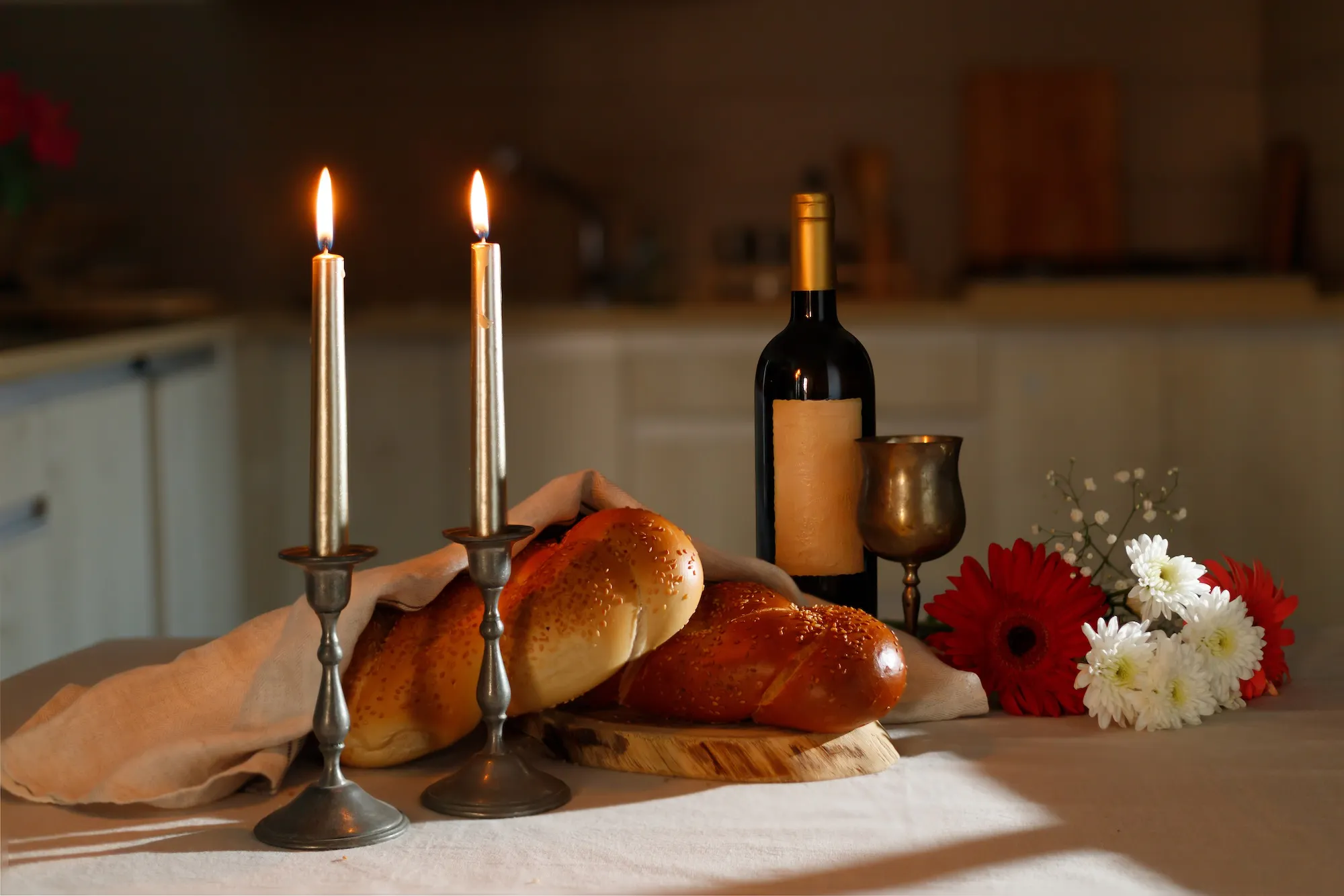
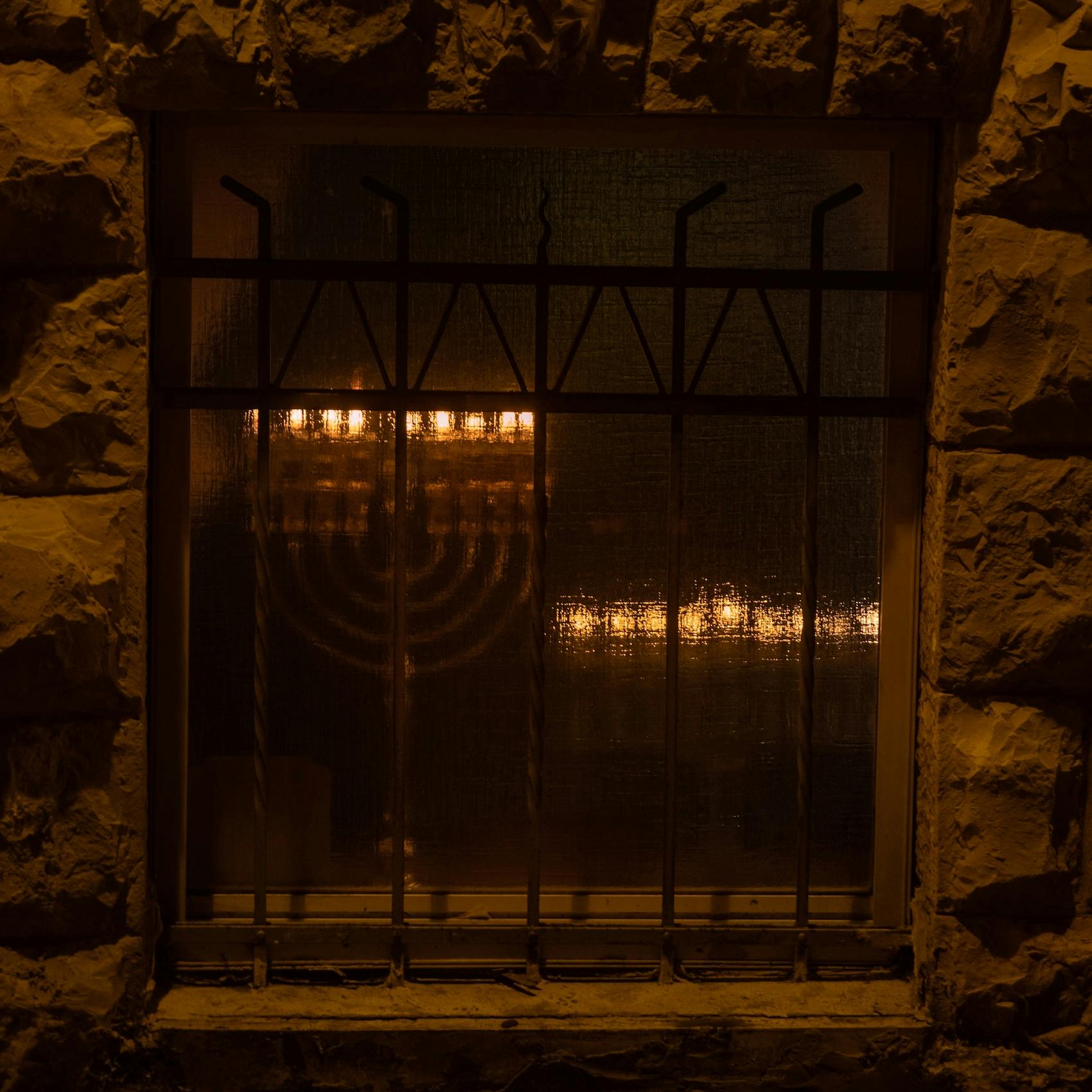
The Hanukkah story speaks right here. The Maccabees’ central conviction was not merely opposition to cultural tyranny; it was the insistence that God’s people must worship God publicly, with faithfulness shaping daily life. The candles are intentionally placed where they can be seen. Tradition calls for publicizing the miracle. The light is for the house, yes, but it is also for the street. Not everyone can or should take the same risks; prudence is real, and every household must weigh its circumstances wisely. Still, Hanukkah’s calling is not secrecy but holy visibility. Where antisemitism says, “Hide who you are,” Hanukkah replies, “Rededicate who you are to the Lord, and let your light shine.”
Christian Solidarity and the Call to Stand with Israel
This season asks for more than sympathy. It invites solidarity rooted in Scripture and conscience. That begins with clarity of mind and speech. Antisemitism is not only personal hatred; it also includes narratives that deny the Jewish people’s right to live and flourish as Jews, whether in their communities abroad or in their ancestral homeland, Israel. Critique of any government is a normal part of civic life; demonization of a people is not. When double standards, dehumanizing language, or calls to erase Jewish presence appear, Christians should recognize those as warning signs. Silence in such moments does not feel “neutral” to Jewish neighbors; it feels like abandonment.
Solidarity also takes the shape of hospitality. Reach out to Jewish friends and local congregations. Attend a public menorah lighting. Write a note to a rabbi or a community center. If your church hosts educational forums, include Jewish voices and credible experts on the nature of antisemitism. Teach your children and youth to discern online rhetoric, to spot conspiracy tropes, and to challenge unfair targeting of classmates. Where possible, partner with organizations that provide real help: trauma counseling, legal support, school security, assistance to vulnerable families, care for survivors of terror, and relief for communities under strain.
Let the Helper Candle Lead
We can learn practical wisdom as well. Verify sources; do not share sensational content just because it confirms what you already suspect. Be wary of memes and out-of-context clips. Remember that Jewish communities are diverse; do not assume that one person or one headline speaks for all. When you see a double standard—one set of rules for the world’s only Jewish state and another for every other country—name it. When you hear someone dismiss a synagogue attack as mere “property damage,” remind them that such desecrations have always been precursors to worse.
Hanukkah also calls us to hope. The shamash—the helper candle—lights all the others. It exists to serve. That is a profound picture for anyone who bears the Messiah’s name. The light you share may be a conversation with a fearful neighbor, a meal delivered to a displaced family, a scholarship for a child affected by terror, or a donation that equips first responders and strengthens communities in Israel. Each act becomes a small flame against the darkness.
How You Can Help Right Now
At Vision for Israel, we are committed to being the shamash. In the wake of terror attacks and ongoing threats, we have distributed food and hygiene packages, equipped first responders and civilian security teams, and placed safety shelters in conflict areas. In holiday seasons, we provided store vouchers so families can choose essentials with dignity, warm clothing and winter kits, and practical assistance to make celebration possible. From the Millennium Center, our humanitarian logistics center, we continue to identify the places of greatest need and respond quickly with compassion and accountability. These are not abstract gestures; they are specific, measurable acts of mercy that help real people breathe again.
If you are asking, “What can I do right now?” here is one faithful answer: help us keep the candles burning in homes that might otherwise go dark. Your generosity provides shelter during a rocket attack, a child receive a hot meal, a reserve soldier receive counseling after trauma, a family sit down to a holiday meal, and a volunteer medic arrive with lifesaving gear. It strengthens the fabric of Israeli society precisely where hatred tries to tear it.
Please consider making a gift today so that, together, we can push back the darkness with tangible love for the people of Israel. Give securely here.
Chanukah Same’ach—may we rededicate our hearts as we rededicate our homes, and may His Spirit empower us to stand with wisdom, courage, and joy.